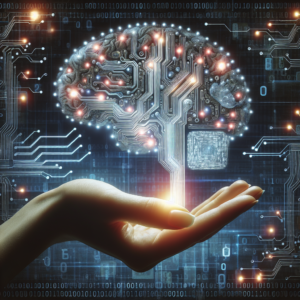
The healthcare industry is on the brink of a revolution, thanks to the advancements in artificial intelligence (AI) technology. AI is transforming the way patients receive care and how healthcare providers deliver medical services. From improving diagnosis accuracy to personalized treatment plans, AI is changing the landscape of healthcare as we know it.
One of the major ways AI is transforming medicine is through its ability to analyze massive amounts of data quickly and accurately. This allows healthcare providers to make more informed decisions about a patient’s diagnosis and treatment plan. AI algorithms can sift through medical records, lab results, and imaging scans to identify patterns and trends that humans may overlook. This not only helps doctors diagnose diseases earlier and more accurately but also allows for personalized treatment plans tailored to each patient’s unique needs.
AI is also changing the way patients interact with their healthcare providers. Virtual assistants powered by AI can schedule appointments, provide medication reminders, and even offer basic medical advice to patients, reducing the burden on healthcare professionals and streamlining the patient care process. Telemedicine is another area where AI is making a significant impact, allowing patients to consult with doctors remotely and receive medical advice and treatment from the comfort of their own homes.
In addition to improving patient care, AI is also helping healthcare providers in their day-to-day tasks. AI-powered robots are being used in hospitals to deliver medication, transport supplies, and even assist in surgeries. These robots are not only improving efficiency but also reducing the risk of human error, ultimately leading to better patient outcomes.
While the potential benefits of AI in healthcare are vast, it is important to address the ethical and privacy concerns that come with the integration of AI in medicine. Patient data must be protected and securely managed to ensure patient confidentiality and trust in the healthcare system. Additionally, healthcare providers must be properly trained to use AI technology to its full potential and ensure that it complements their expertise rather than replaces it.
Overall, the future of healthcare is bright with the integration of AI technology. From improved diagnosis accuracy to personalized treatment plans, AI is transforming medicine and patient care for the better. As the technology continues to evolve, the healthcare industry will be able to provide more efficient and effective care to patients, ultimately leading to better health outcomes for all.
About The Author